The Saint Anne's Church Organ virtual studio artwork

Casavant Opus 2793 · Fall River, Massachusetts

Pipes of
Saint Anne's

A project to preserve the sound of a remarkable pipe organ — one note, one pipe and one memory at a time.

Explore the project
The instrument

A sound worth preserving.

The Saint Anne’s Church Organ… This beautiful Casavant Opus 2793 pipe organ is certainly a well crafted instrument that has always produced memorable music throughout the years. It’s played the music for countless weddings, funerals, baptisms and regular mass for its church’s parishioners in the city of Fall River, Massachusetts for more than half a century.

The distinct sounds created by this magnificent instrument has undoubtedly been the soundtrack to countless memories in many people’s lives (including my own). Once I learned of the plans to permanently close Saint Anne’s Church, I set a personal goal of preserving the sounds of this organ. I explained to the Diocese of Fall River what I wanted to do and was granted the necessary permission to get to work.
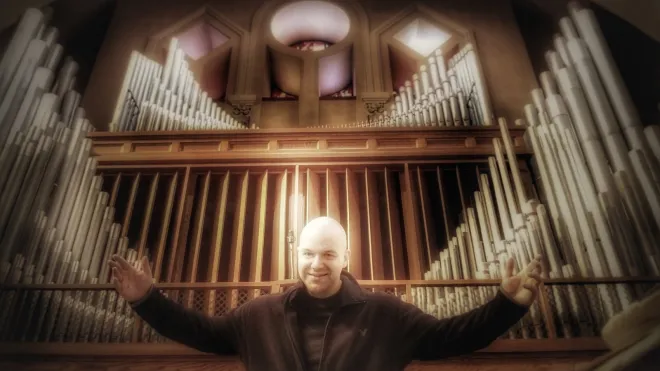
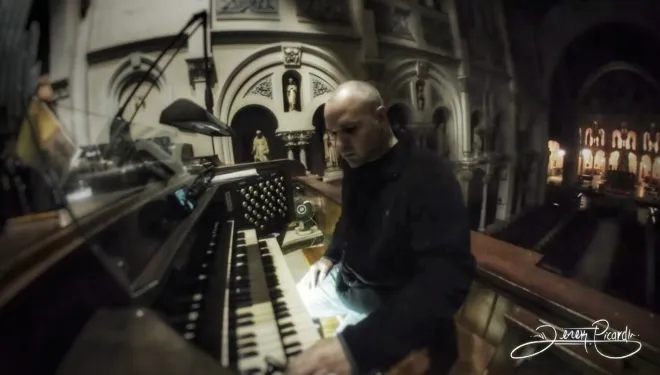
Derek Picard standing in front of the Saint Anne's pipe organ
The Casavant Opus 2793 at Saint Anne’s Church.
The recording

4,518 pipes.
Every sound captured.

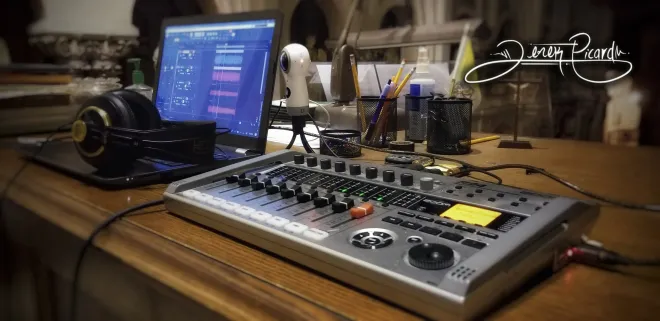
Each and every single one of the notes on the organ (4,518 Pipes) have been recorded using several high quality microphones and state of the art recording hardware. The meticulous placement of the microphones were crucial as it was not only important to record the unique sound of this organ but to also capture the natural acoustics of the spacious and beautiful building (acoustic resonance). All samples were recorded at 48kHz and a bit depth of 32.

Recording hardware used for sampling the Saint Anne's organ
All of the samples were recorded using state of the art hardware.
01

One key at a time

Each and every key on all stops were recorded individually in order to successfully record all unique sound samples.

Recording individual notes from the Saint Anne's organ console
Each key was played in sustain to fully record all of the unique sounds.
02

Cut, cleaned and cataloged

Every possible sound from this organ was recorded and saved. Once the recording process was completed, the tedious task of cutting and cleaning all of the samples began. This process took many, many days and nights to complete. This involved cutting all of the samples into individual files, renaming the samples to the correct key and categorizing each group under the proper stop. All of the samples were “cleaned” by removing unnecessary noise and hum.

Restoration

Cleaning the sound.

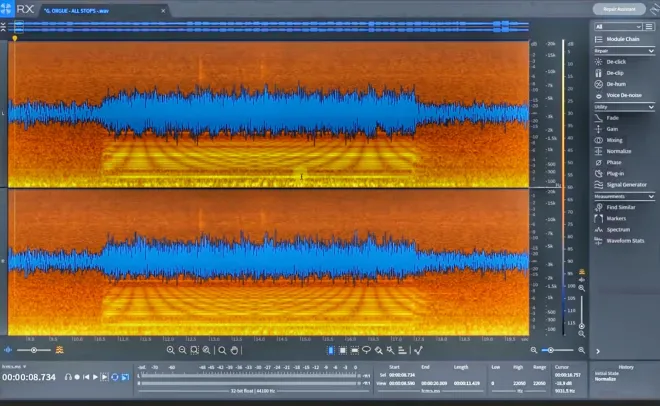
Noise and hum removal was applied to all of the samples using the powerful tools of iZotope RX. This was done to enhance sound quality.

iZotope RX audio cleanup screen
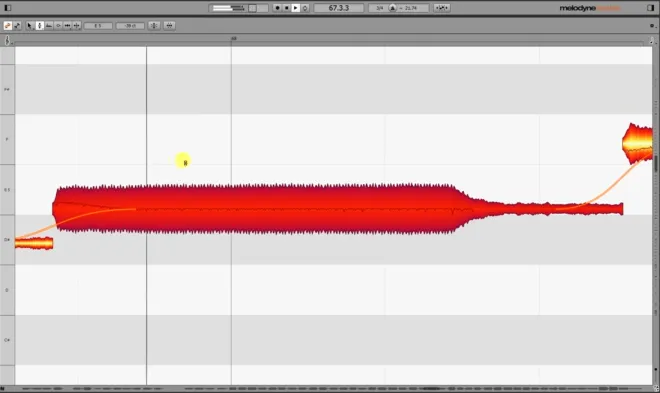
Melodyne tuning screen
Tuning

Perfect pitch.

All of the samples were also tuned so they could all be played in perfect pitch with other instruments.

Each and every recorded sample was tuned to A440 (Stuttgart Pitch). This tuning process was completed by using Melodyne.

Digital reconstruction

Restoring the “dead notes.”

Throughout the process of recording, there were notes that were nonfunctional (either the pipe was broken, or there was insufficient air flow within the organ to produce any sound from that particular pipe). I will refer to the nonfunctional notes as “Dead Notes”. These “Dead Notes” created a gap of silence in an otherwise perfect musical scale.

These lost notes were digitally recreated from the algorithm of the note before it or after it in the scale, depending on the circumstances. This process of recreating “Dead Notes” allowed me to complete the musical scale with no gaps and a seamless playback.

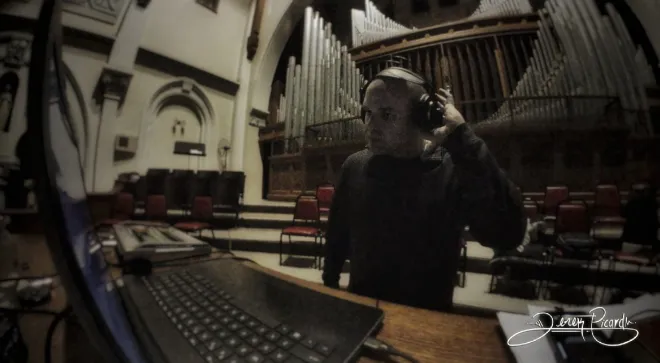
Monitoring the Saint Anne's organ recording process
The recording and editing process took weeks to complete.

“Any song from the past or future will now play completely with all notes.”

Because this correction is in place, the sounds from the Saint Anne’s Church Organ can virtually play any song forever in a perfectly tuned and functional state.

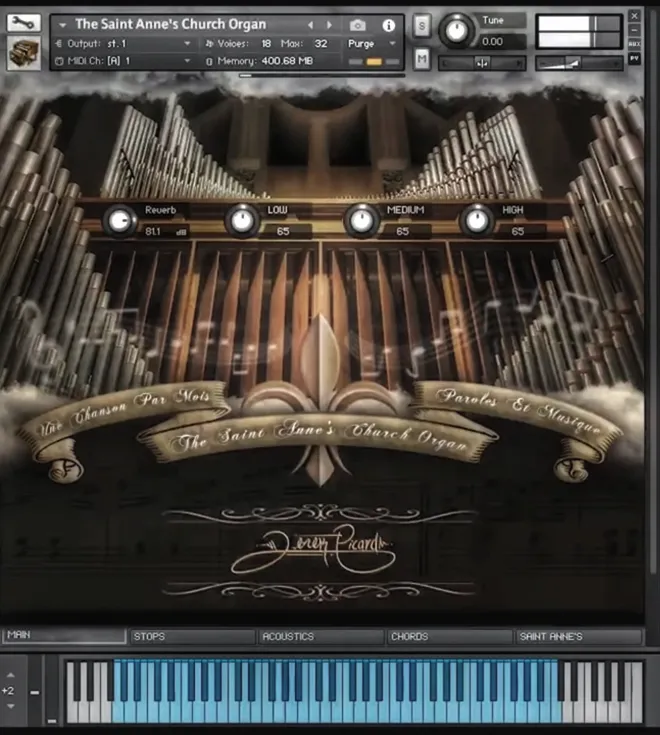
The customized Saint Anne's Church Organ Kontakt instrument
The virtual instrument

The organ lives on.

The Virtual Saint Anne’s Church Organ is played just like the original via this Kontakt Instrument, Sound Library and Customized Midi Setup.

Other sound libraries can now be used in conjunction with the Saint Anne’s Church Organ. These other sound libraries can include orchestral, choir, percussion, etc.

The final goal was to create a commemorative album that will contain classical works of music played by the samples I have of this beautiful organ. In other words, I will have the Saint Anne’s Church Organ play timeless classics with a full blown virtual orchestral and choral accompaniment!

Much more than what can be explained in this story has brought this project to where it is now. A copy of all of the raw samples were given to the Bishop’s Office at The Diocese of Fall River.

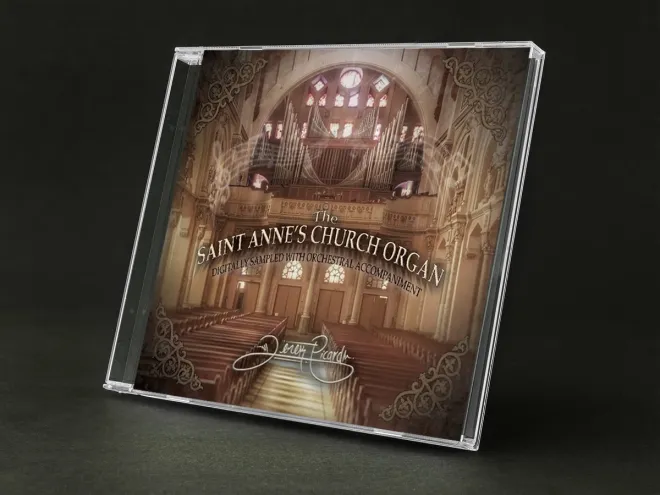
Saint Anne's Church Organ commemorative album artwork
A lasting record

Preserved in music.

The commemorative project brought the sampled organ together with virtual orchestral and choral accompaniment, allowing the voice of Saint Anne’s to continue beyond the life of the original building.

Watch the documentary

The complete process.

This approximately 27-minute video explains the steps taken to complete the virtual Saint Anne’s Church Organ project.

Open video on YouTube ↗

In the press

“Grace Notes”

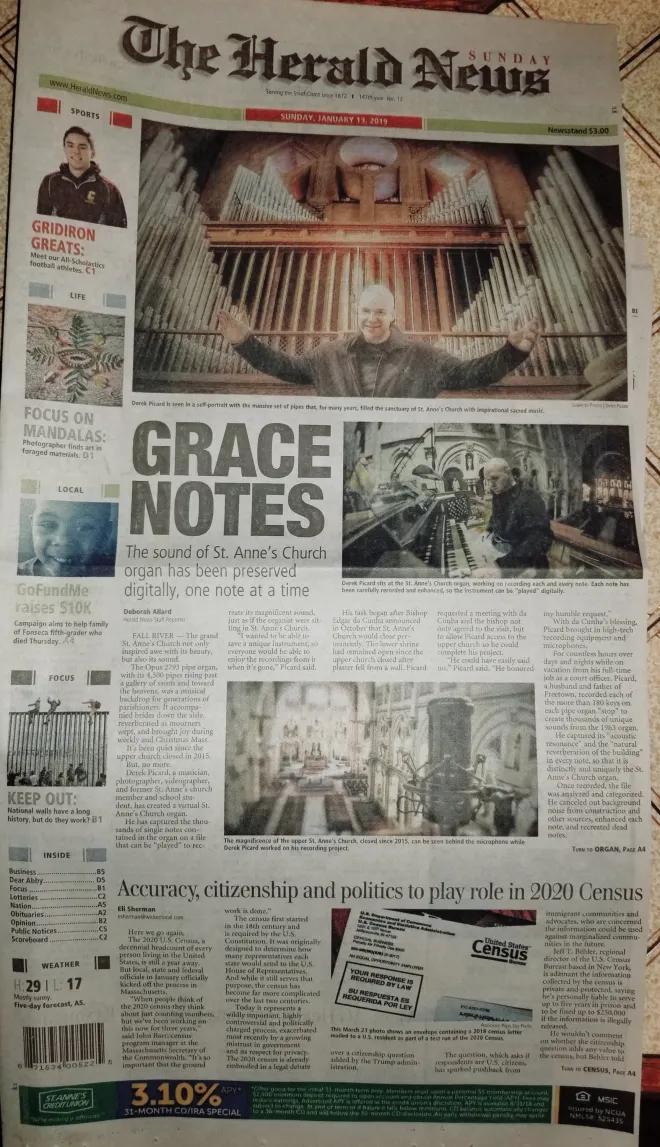
Deborah Allard of The Fall River Herald News took the time to write a great story about this project. The story made the front page on Sunday, January 13, 2019.

Read the Herald News story ↗
Fall River Herald News front page featuring the Saint Anne's organ preservation project